
How Do You Organize a Pantry So Your Family Can Find What They Need?
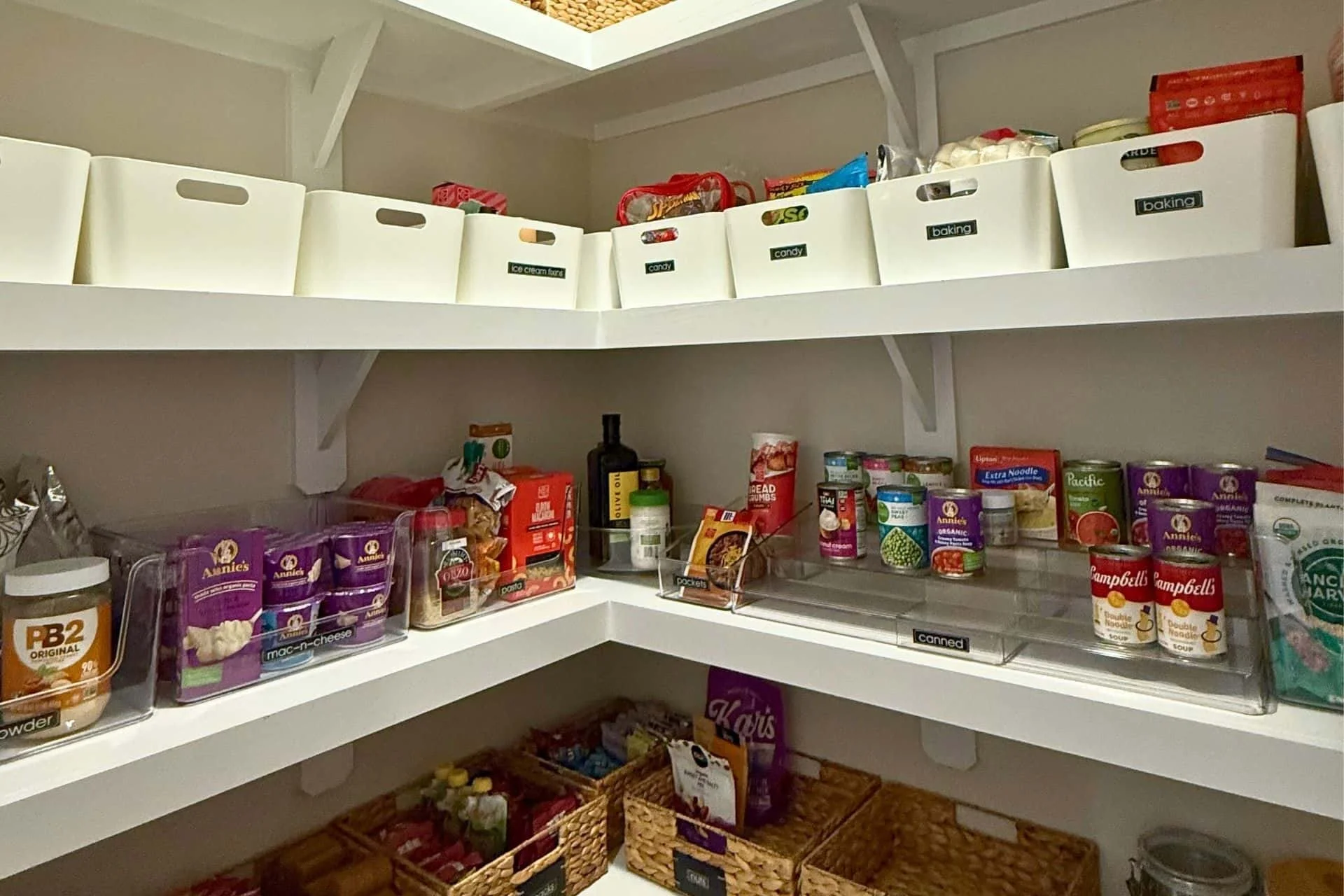
Organizing a pantry so your family can find what they need starts with three things: creating clear zones for different food categories, using labels so anyone can locate items without asking, and implementing a "first in, first out" system so nothing gets lost in the back. When your pantry is organized this way, meal planning becomes faster, you'll waste less food, and your family can help themselves without constant questions about where things are.
For families on the go from Sneads Ferry to Southport, and Bald Head Island to Leland, a well-organized pantry transforms daily cooking from stressful to effortless.
How a Disorganized Pantry Leads to Food Waste
Most families don't realize how much money they're throwing away because items get lost in their pantry. The average American household wastes 31.9% of the food it acquires, which equals roughly $240 billion in unnecessary household expenses every year. Much of that waste happens because families can't find what they already have, so they buy duplicates, or items expire before anyone notices they're there.
An unorganized pantry creates a cascade of problems. You can't see what you already have, so you buy more. You lose track of expiration dates. Items get pushed to the back and forgotten. Your kids can't find what they're looking for, so they ask you repeatedly. You spend time hunting for ingredients when you're trying to cook dinner. All of these small frustrations add up to wasted money, wasted food, and wasted time.
Why Does Zone Organizing Make a Pantry Work?
The most functional pantries are organized by category, not by when you bought the items. Create zones so everything in your family's pantry has a specific home, and everyone in your family knows where to find it.
The dry goods zone holds grains, pasta, rice, cereals, and flour. These items are shelf-stable and occupy prime real estate in most pantries. Group them together so a family member looking for pasta can go straight to one spot instead of scanning the entire pantry.
The baking supplies zone keeps sugar, baking powder, baking soda, vanilla, chocolate chips, and spices in one place. When someone wants to bake, they don't have to hunt through multiple shelves.
The snack zone is where crackers, granola bars, pretzels, and popcorn live. If your family keeps snacks in the pantry, give them their own zone so kids know where to look, and items don't scatter across shelves.
The canned goods zone holds canned vegetables, beans, soups, and tomato sauces. Group similar items together, like all canned vegetables in one section and all beans in another, so you can see what you have at a glance.
The oils and condiments zone keeps cooking oils, vinegars, soy sauce, and specialty sauces together. These items are used frequently but often take up awkward shelf space, so grouping them makes your pantry layout more efficient.
Why Does Labeling Matter?
The difference between an organized pantry and one that falls apart within weeks is labeling. When everything is labeled, your family doesn't have to guess, ask, or search. They see the label and know exactly where something belongs.
Label your zones with a simple sign at eye level. Use a label maker, or write neatly on painter's tape that you can easily update. Labels take five minutes to create and save hours of frustration.
Labels take five minutes to create and save hours of frustration. In our experience, it's the single thing that determines whether a pantry system lasts.Clear labels help every member of your household know exactly where things belong, which means kids return items to their homes, guests putting groceries away know where things go, and your partner stops asking where things are.
The "First In, First Out" System
The "first in, first out" system, or FIFO, is simple: older items get used before newer items. When you buy pasta, put the new box behind the old box so the older one gets used first. Same with canned goods, baking supplies, and anything with an expiration date.
This system works because it prevents items from sitting in the back of your pantry until they expire. You can implement FIFO by keeping your most recently purchased items in the back, not the front. It takes a bit of mental discipline at first, but once your family gets the habit, it becomes automatic.
FIFO also simplifies meal planning. When you look at what you actually have in your pantry, you can plan meals around it instead of buying new ingredients when perfectly good ones are already sitting on your shelves.
How Do You Maintain Your Pantry’s Organization?
The pantry organization system that works best is the one your family will actually maintain. If your family has kids who like snacks, make the snack zone accessible. If you cook frequently with spices, put them at eye level where you can see them while cooking. If you meal plan every Sunday, keep a notepad in your pantry where you can jot down items you're running low on.
At Kristin + Co Organizing, we've helped families across Leland, Carolina Beach, Kure Beach, and beyond create pantry systems that stick because they match how the family actually lives. The organizing isn't just about looking neat; it's about creating a system that saves time, saves money, and reduces the daily stress of figuring out what's for dinner.
Transform Your Pantry with Kristin + Co Organizing
Whether you're starting from scratch or reorganizing a pantry that's lost its way, we'll work with you to create zones, labeling, and systems that your family will actually use and maintain.
Ready to make your pantry work harder for your daily routines? Schedule a consultation with our team today, and let's talk about what an organized pantry can do for your home.
Frequently Asked Questions
-
Use vertical space with shelf dividers, stackable containers, and risers that let you fit more on each shelf. Clear containers let you see what's inside without opening them. Door organizers hold oils, spices, and small items that would otherwise scatter on shelves.
-
Alphabetize by first letter or group by cuisine (Italian herbs together, baking spices together). Use matching jars with clear labels facing forward. A spice rack or tiered shelf riser makes them visible without taking up lots of space.
-
Decanting works well for things like flour, sugar, and cereal that take up space and don't have important information on the original package. Keep original packaging for items with cooking instructions or nutritional information. Either approach works as long as you label what's inside.
-
A quick reset every week takes 10 minutes and keeps things from getting chaotic. A more thorough reorganization every six months or when you notice things getting disorganized prevents the pantry from becoming a disaster. The goal is maintenance, not perfection.
-
Make it so simple that anyone can do it. Clear labels, easy-to-reach zones, and a "put it back where it came from" rule go a long way. Kids are more likely to cooperate if they understand the system and see it working for the whole family.