
How Do You Prepare for a Home Relocation in Wilmington, NC?
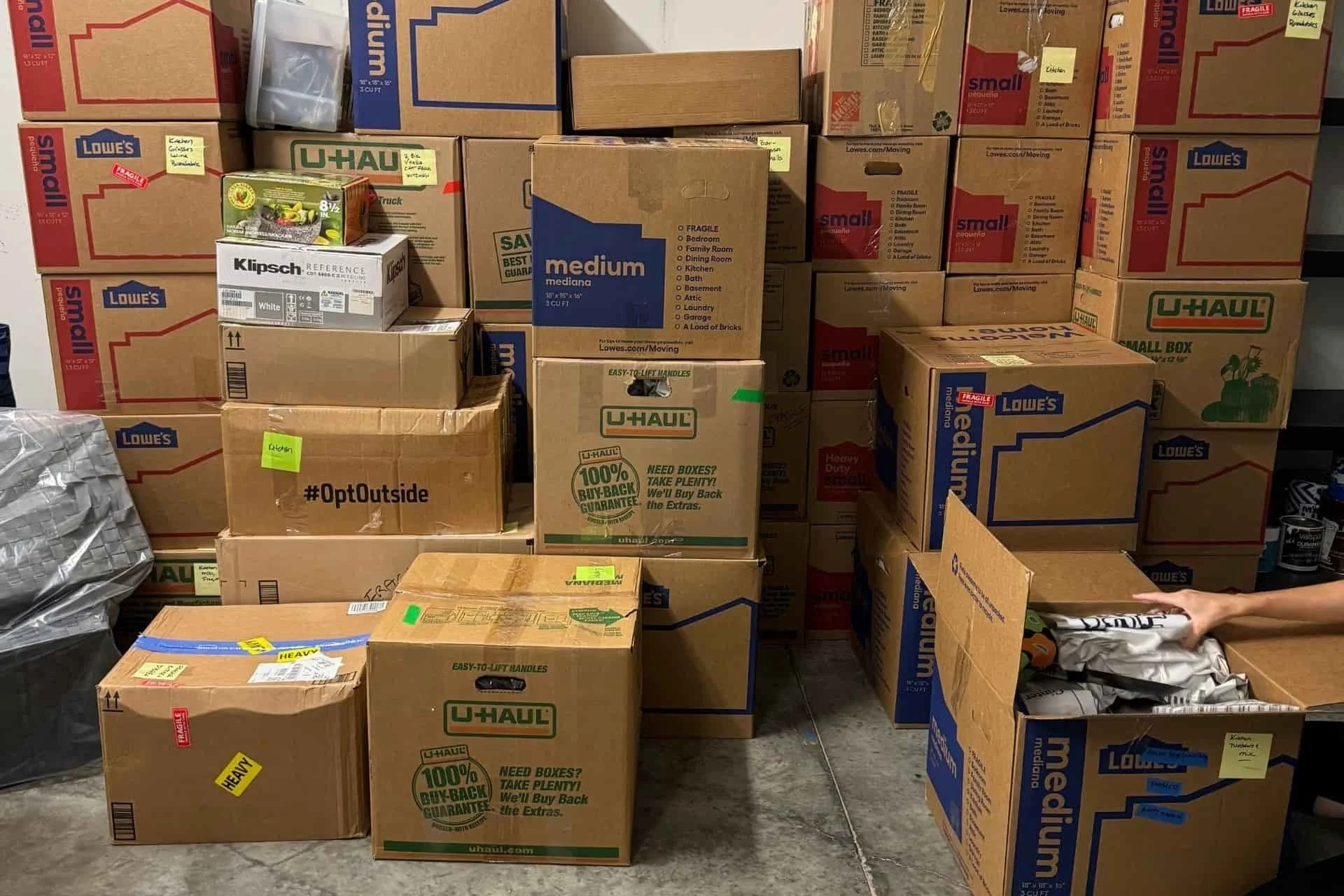
Preparing for a home relocation starts well before the moving truck arrives. The families who move with the least stress are the ones who start early, purge intentionally, pack strategically, and have a clear plan for settling into their new space from day one. Whether you're relocating to Wilmington's coastal communities or leaving the area for a new chapter, the preparation process is what separates a smooth transition from one that takes months to recover from.
For families and professionals navigating a move in or out of Wilmington, Wrightsville Beach, Hampstead, and the surrounding areas, the right preparation makes all the difference between arriving exhausted and arriving ready to enjoy your new home.
Why Preparation Makes or Breaks a Relocation
Most people underestimate how much work a relocation involves until they're in the middle of it. Moving is consistently ranked among the most stressful life events a person can experience. According to a survey by moving marketplace HireAHelper, nearly 45% of Americans say moving is more stressful than divorce, and the primary reason isn't the physical work. It's the lack of preparation and planning.
The families who struggle most during a relocation are the ones who try to pack and organize simultaneously on moving day. The families who thrive are the ones who treat preparation as its own project, separate from the move itself, with dedicated time for purging, packing, and planning before a single box goes on the truck.
Wilmington's market adds another layer of complexity. The area attracts a significant number of military families relocating from Camp Lejeune and other bases, retirees downsizing from larger homes, and professionals moving to the coast for quality of life. Each of these situations comes with its own timeline pressures and logistical challenges. Preparation looks different for each, but the fundamentals are the same.
Where to Start Before Moving Day
The single most important thing you can do before a relocation is to start earlier than you think you need to. Most professional organizers and moving experts recommend beginning the preparation process at least eight weeks before your move date, and twelve weeks if you're in a larger home or have significant items to sort through.
Start with a whole-home inventory. Walk through every room and make a high-level assessment of what you're dealing with. Which rooms are most cluttered? Which spaces haven't been touched in years? Where are the decisions going to be hardest? This inventory gives you a realistic picture of the scope of your move and helps you prioritize where to spend your time and energy.
Decide what's coming with you before you pack a single box. This is the step most people skip, and it's the one that costs them the most time and money. Every item you move costs money to pack, transport, and unpack. Moving items you don't need or want into your new home means you're paying to relocate clutter, not a fresh start. Permit yourself to release what no longer serves your life before you put it in a box.
Create a room-by-room plan. Rather than approaching the whole house at once, break it into manageable sections. Tackle one room at a time, starting with spaces you use least, such as guest rooms, storage areas, and garages, and working your way toward the rooms you use every day. This keeps the process from feeling overwhelming and gives you clear milestones to hit as your move date approaches.
How to Purge, Pack, and Protect What Matters
Purging before a move is one of the highest-return activities you can do for your time, your budget, and your peace of mind. According to the American Moving and Storage Association, as cited by Allied Van Lines, the average cost to move a two- to three-bedroom home within the same city is about $2,300, while moving the same household more than 1,000 miles averages around $4,300. Every item you purge before the move reduces your volume, which directly reduces that cost.
Work through each room systematically. Be honest about what you actually use, what you love, and what you've been holding onto out of guilt or inertia. Items in good condition can be donated to local organizations in the Wilmington area or sold through online marketplaces before your move date. What's left gets discarded.
Pack by room and label everything clearly. Each box should be labeled with the room it belongs to and a brief description of its contents. This sounds obvious, but most people pack reactively and end up with mystery boxes that take weeks to unpack. If you're moving into a new home in Wilmington, clear labeling means your movers put boxes in the right rooms from the start, which makes unpacking dramatically faster.
Protect your most important items first. Documents, valuables, and irreplaceable items should be packed separately and kept with you during the move rather than loaded onto the truck. Create a moving binder or digital folder that holds all your important paperwork: lease or closing documents, utility transfer information, school enrollment records, medical records, and anything else you'll need immediate access to in your first week in the new home.
Don't pack everything at once. Leave out the everyday essentials you'll need right up until moving day and pack a dedicated first-night box for each family member. This box holds what you'll need the moment you arrive: phone chargers, toiletries, a change of clothes, medications, and anything your kids or pets need to feel settled. It's the one box you unpack first, and having it ready makes the first night in a new home feel manageable instead of chaotic.
What Professional Relocation Help Really Covers
Many families don't realize how much professional relocation and organizing services can cover beyond simply unpacking boxes. A full-service relocation and organizing team handles the entire transition from start to finish, which means you're not just getting help on moving day. You're getting expert support through every phase of the process.
Pre-move purging and decluttering are often where professional help delivers the most value. An experienced organizer works through your home with you, helping you make decisions about what to keep, what to donate, and what to release. This is especially valuable for families who have lived in their home for many years and have accumulated significant items, or for those navigating an emotionally complex move, such as downsizing after children leave home or relocating after a loss.
Packing and move coordination takes the physical labor off your plate entirely. A professional team packs your belongings systematically, labels everything clearly, coordinates with your moving company, and makes sure nothing is left behind. For busy families managing jobs, kids, and the logistics of a move simultaneously, this is often the single biggest relief.
Unpacking and full home setup is where the transformation happens. Rather than arriving in your new Wilmington home surrounded by towers of boxes, a professional relocation team unpacks everything, creates organizational systems tailored to your new space, and sets up every room so your home functions from day one. You don't spend the first month of your new life searching for things or living out of boxes. You arrive and immediately feel at home.
Make Your Move Feel Effortless with Kristin + Co
At Kristin + Co Organizing, we specialize in making relocations in and out of the Wilmington, NC area as smooth and stress-free as possible. Our relocation services cover everything from pre-move purging and packing to full home setup in your new space, so you can focus on the excitement of your next chapter instead of the logistics.
Whether you're arriving on the Carolina coast for the first time or leaving a home you've loved for years, we're here to make the transition feel manageable. Schedule a consultation today, and let's talk about what your relocation looks like and how we can help.
Frequently Asked Questions
-
Most professional organizers recommend starting at least eight weeks before your move date, and twelve weeks for larger homes or complex situations. The earlier you start, the more time you have to make thoughtful decisions about what to keep, donate, and discard rather than making rushed choices under pressure.
-
Start with a whole-home inventory before you pack a single box. Walk through every room and assess what you're dealing with. Then decide what's coming with you before you start packing. Every item you choose not to move saves you time, money, and space in your new home.
-
For most families, yes. Professional relocation help reduces stress significantly, speeds up the process, and ensures your new home is organized and functional from day one rather than weeks or months after you arrive. The cost of professional help is often offset by the reduction in moving volume and the time you save.
-
A moving company transports your belongings from one location to another. A professional organizing team handles the preparation before the move and the setup after it, including purging, packing strategy, unpacking, and creating organizational systems in your new home. Many families use both together for a complete relocation solution.
-
Pack a dedicated first-night box for each family member, including kids and pets, with everything they need for the first 24 hours in the new home. Keep routines as consistent as possible during the transition. Involve kids in age-appropriate decisions about their rooms and belongings to give them a sense of control during a time that can feel unsettling.