
Why You're Procrastinating on Organizing That One Space
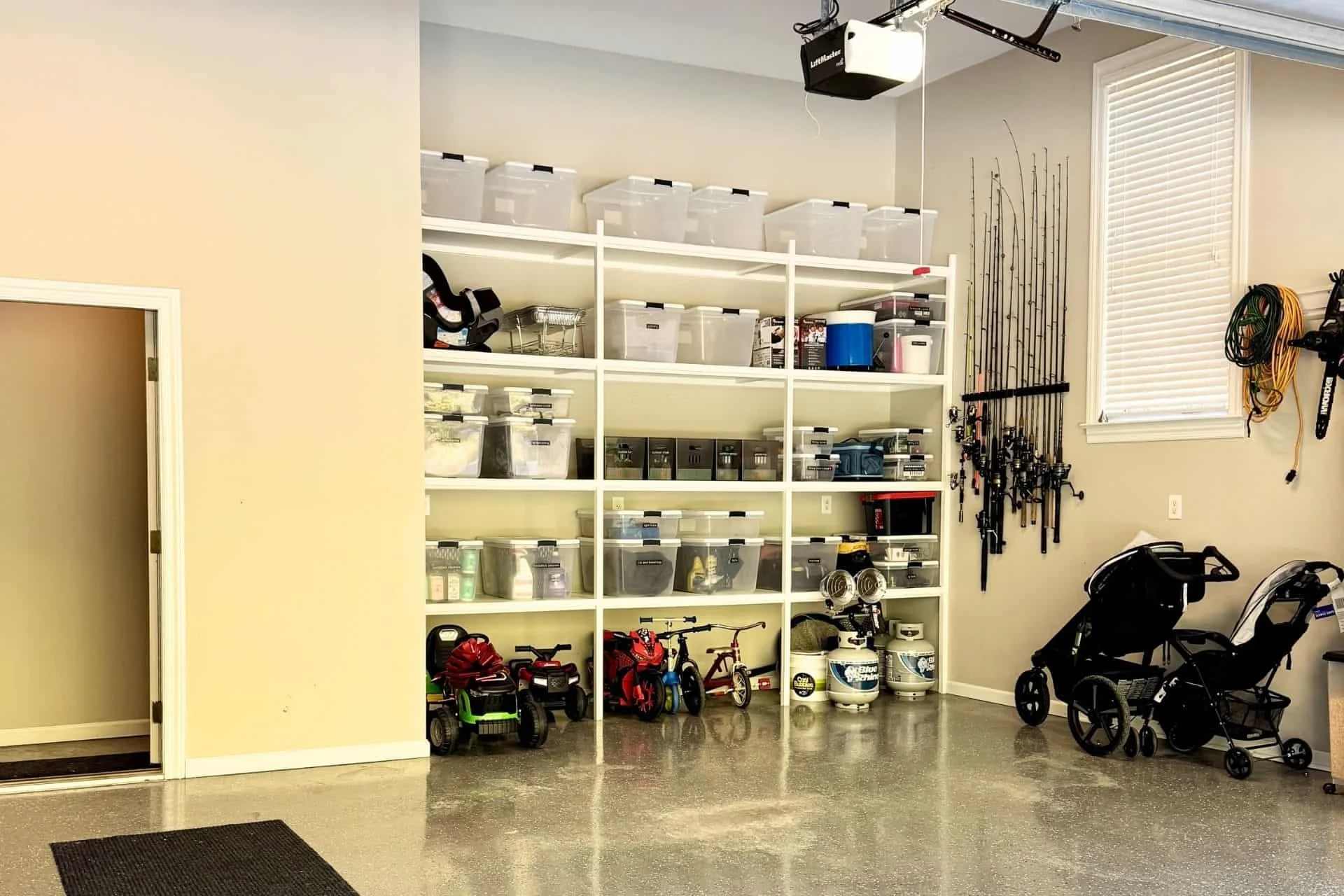
Most people procrastinate on organizing because the emotional weight of the task feels bigger than the time available to complete it. It's not laziness, and it's not a character flaw. You know the space. It's the closet you don't open because you know you'll see the pile. It's the drawer that sticks because there's too much shoved inside. It's the spare room that's become your home's dumping ground. You've been meaning to tackle it for months, maybe years, but every time you think about it, you find something else to do instead.
The good news is that understanding why you're procrastinating is the first step to finally getting it done. For busy professionals across Wilmington, Wrightsville Beach, Hampstead, and the surrounding coastal areas, recognizing these patterns can be the breakthrough you need.
Why Am I Procrastinating on Organizing?
Most people think they procrastinate on organizing because they're disorganized or lazy. That's not really what's happening. Procrastination on organizing tasks typically comes from one of three places.
The first reason is decision fatigue. When you open that closet or drawer, you're immediately hit with dozens of decisions. Keep or donate this? Trash or recycle that? Where does this belong? Your brain gets overwhelmed, so instead of starting, you close the door and walk away. The task feels too big and too complicated to begin.
The second reason is emotional attachment. That sweater you haven't worn in five years? You might feel guilty getting rid of it because someone gave it to you, or you spent money on it, or you remember when you used to fit into it. Organizing spaces that hold emotional weight takes emotional energy, not just physical effort. Your brain knows this, so it avoids the task to protect you from that discomfort.
The third reason is the "perfect conditions" trap. You're waiting for a three-day weekend, or better weather, or when you have more energy. Meanwhile, weeks turn into months. Perfect conditions rarely arrive, so you keep waiting instead of starting. The longer you wait, the more mental space that unfinished task occupies. The emotional weight doesn't stay the same while you delay. It grows.
How to Break Through the Procrastination
The secret to actually tackling that space isn't willpower. It's breaking the task into pieces small enough that your brain doesn't get overwhelmed. That's exactly the process our clients go through, from feeling overwhelmed to finally feeling at ease, and that process always starts the same way: one shelf.
Instead of "organize the bedroom closet," your task becomes "go through the top shelf and decide what stays." That's it. One shelf. It takes 20 minutes, and then you're done for the day. Tomorrow, if you feel like it, you do the next shelf. The task doesn't feel impossible anymore, so you actually start.
Remove the decision paralysis by setting simple rules before you begin. For example, anything you haven't worn in a year goes. Anything broken stays only if you plan to fix it this month. Anything that doesn't fit gets donated. With rules in place, each decision takes seconds instead of minutes. Your brain doesn't exhaust itself.
Address the emotional weight directly. If you're keeping something out of guilt, acknowledge its meaning and memory, even take a photo with it, and move on. This sounds simple, but it works. You're not erasing the memory. You're honoring it and releasing the guilt.
Finally, start today, not someday. Not next week. Today. Pick the smallest possible chunk of that space, set a timer for 15 minutes, and start. Research by psychologist Peter Gollwitzer, whose work on implementation intentions has been tested across more than 94 studies involving over 8,000 people, shows that people who plan to take action at a specific time and place are significantly more likely to follow through than those who have vague intentions. "Today at 4 PM, I'm organizing the top shelf of my closet" works better than "I'll organize my closet sometime soon" because your brain already knows exactly what to do when the moment arrives.
What Happens After You Start Organizing?
Here's what most people discover once they finally start: the task isn't as bad as they thought. The emotional weight before you begin is almost always bigger than the actual work. Once you start moving items, making decisions, and seeing progress, procrastination loses its grip. You're no longer dreading the task. You're actively engaged in it.
The other thing that happens is momentum. After you finish that first shelf, you often want to keep going. The barrier to starting is always higher than the barrier to continuing. Once you break through that initial resistance, the task becomes doable.
Ready to Finally Tackle That Space?
At Kristin + Co Organizing, we work with people all the time who've been procrastinating on a space for years. The good news is that once you start, everything changes. We can help you break the task into manageable pieces, set up systems that make the ongoing maintenance easy, and create a space you don't dread using.
Ready to take the next step? Schedule a consultation with our team today, and let's turn that space you've been avoiding into one you're actually glad to open.
Frequently Asked Questions
-
Organizing requires both physical effort and emotional energy. You're making decisions about what to keep, which triggers guilt or indecision. Other tasks like vacuuming don't carry that emotional weight, so they're easier to do. That's why organizing procrastination is so common and so persistent.
-
Start so small that it feels almost silly. One shelf. One drawer. One corner. A 15-minute timer. The goal isn't to finish the whole space. The goal is to prove to yourself that you can start. Momentum builds from there.
-
Acknowledge the gratitude, honor the memory, and let the item go. You can take a photo if it's meaningful. The gift wasn't about keeping the object forever. It was about the thought and care behind it. That doesn't disappear when you donate the item.
-
Both can work, but having someone there often helps because they don't have the same emotional attachment to your items. They can be objective when you're struggling with decisions. A friend, family member, or professional organizer can make the process faster and less emotionally exhausting.
-
Set up a simple system where everything has a home, and spend 10 minutes each week returning items to their homes. The key is maintaining the space with minimal effort, not creating an elaborate system that takes longer to manage than just organizing everything from scratch.